More than technology.
Technology for development is only one-third technology. The rest is people and context: teachers and pupils, culture and trust, power cuts and budgets. Tools that ignore that reality end up in a cupboard — we have seen the cupboard.
This is not a fourth service alongside applications, AI integration and trust. It is where the three were tested hardest, and where the habits came from that we bring to every client: frugal, offline-first, handed over rather than dropped off.
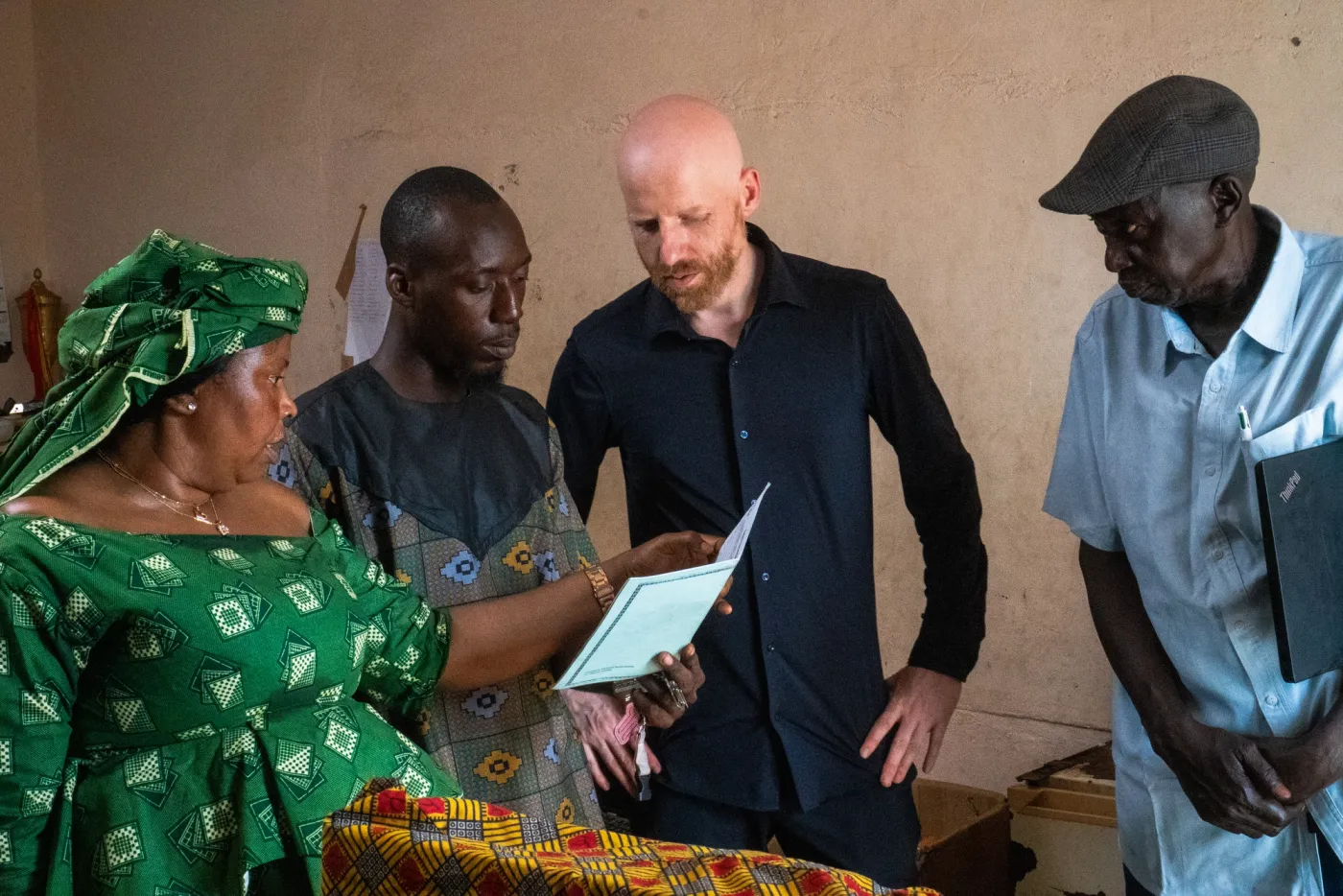
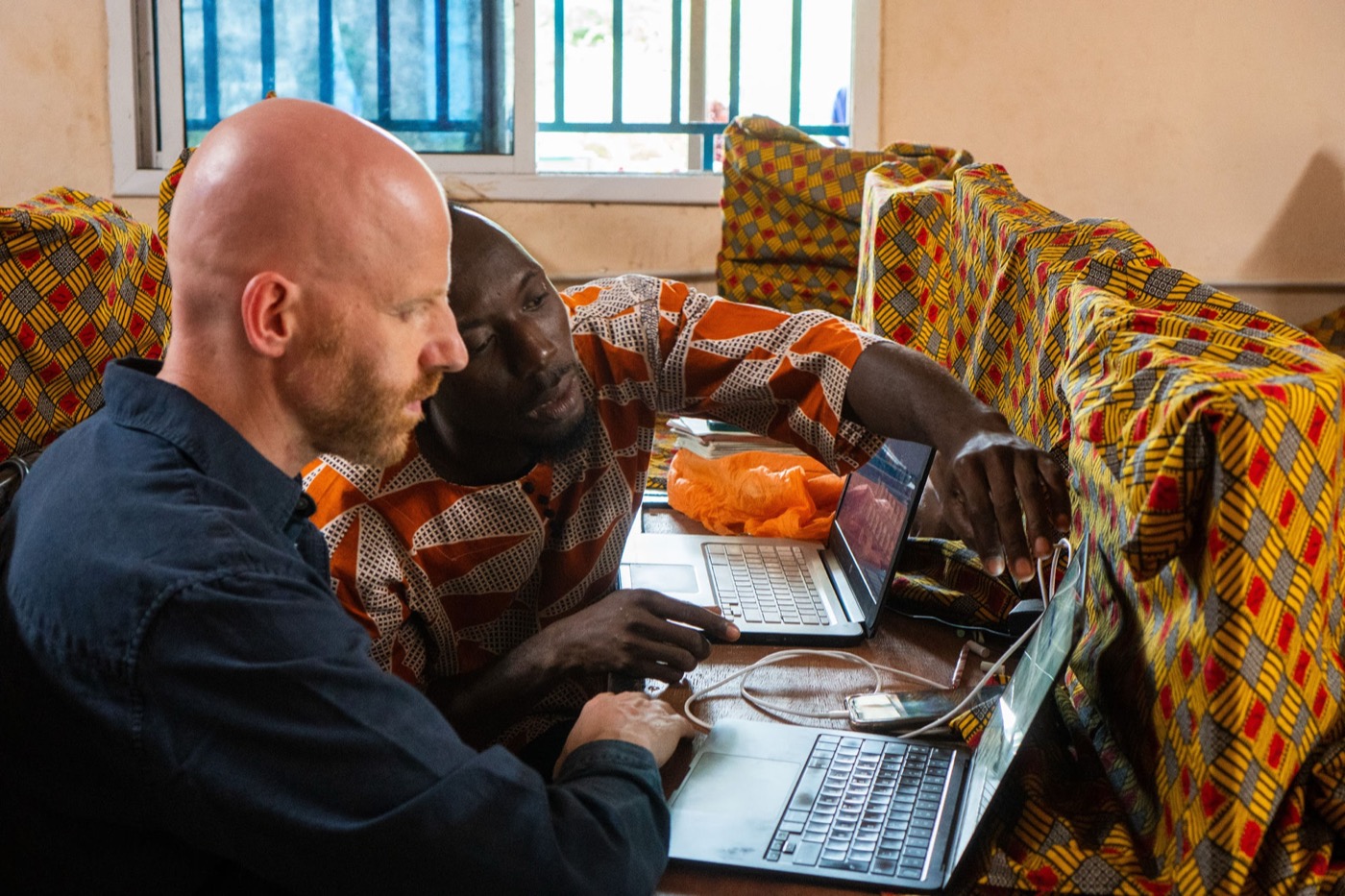
So we practice ICT4D the human-centered way: design thinking from the first field visit, prototypes in real classrooms, iteration with the people who will own the result. Culture is not an obstacle to route around — it is design material.
AboveBeyond carries nine years of continued ICT expertise in Sub-Saharan Africa: sixteen field visits since 2017 — thirteen to The Gambia and three to Uganda — building with nonprofit Afrodidact and twice teaching for Enabel, the Belgian development agency.
KUBO.
KUBO is the open IT suite for schools where budgets are tight, power is unreliable and the internet barely reaches. Three parts, each useful on its own and strongest together: a lab of low-power workstations, an offline server carrying a library of learning content, and the platform that runs the whole school — grades, term reports, timetables, attendance. All open source, installed with the school’s own team and supported for years, not dropped off.
KUBO started in 2017 as a single lab in The Gambia. Grown within nonprofit Afrodidact and a growing volunteer team, it now runs in five pilot schools across two countries and reaches 2,500 children every week. Nine years on, the first lab is still running — and KUBO is opening to schools worldwide.
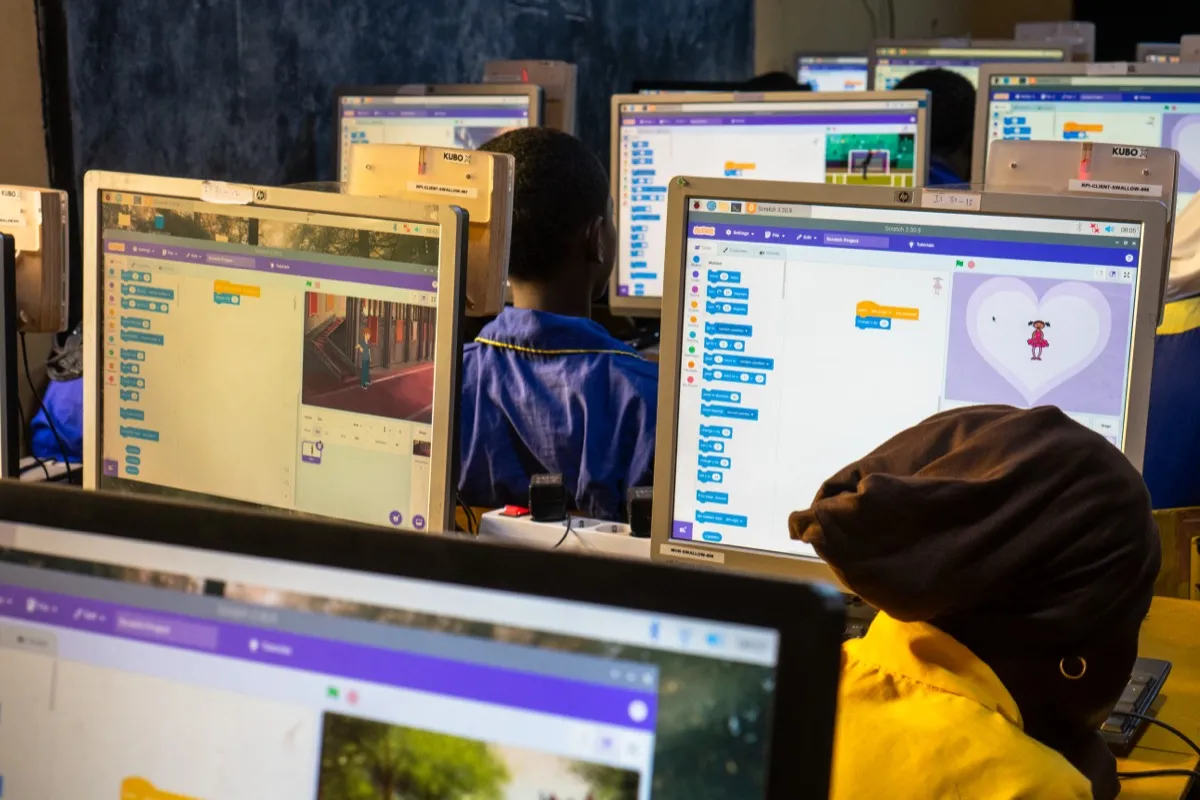
since 2017 · 5 pilot schools, 2 countries · 150+ workstations, growing · 2,500 kids a week · kubo.global →
AboveBeyond is the studio behind KUBO — and offers the same services and know-how to NGOs and development organisations:
Assess & advise
Feasibility and strategy grounded in field reality: what will survive the context, and what ends up in the cupboard.
Design & build
Human-centered and built for the conditions: offline-first, low-power, robust — prototyped and iterated on location.
Teach & train
Workshops and courses for teams on the ground — as taught twice for Enabel, the Belgian development agency.
Hand over
Local ownership is the goal: build capacity, transfer the keys, stay available — never indispensable.
A technology challenge, however early the idea? The door is open — talk to us.